
An author website today functions as more than a digital business card; it is a strategic asset for writers, speakers, and creatives. Its primary role is to serve as a centralized hub for establishing authority, engaging an audience, and driving specific commercial outcomes. The decision to build one, or to refine an existing one, requires a clear understanding of its purpose, target audience, and the measurable goals it should achieve. This isn't about generic online presence; it's about constructing a platform engineered to support a career trajectory, whether that involves book sales, speaking engagements, client acquisition, or community development. The most effective author websites are not just aesthetically pleasing but are architected with specific user journeys and conversion paths in mind. This requires a thoughtful approach to building a personal brand website that truly reflects your unique professional identity and goals.
Core Objectives for an Author Website
Before any design or content decisions, define the website's primary function. This clarity dictates the site’s architecture, content strategy, and feature set, ensuring resources are allocated effectively toward measurable results.
Authority and Brand Building
For many writers, speakers, and creatives, the website is the definitive statement of their professional identity. It’s where credibility is established and expertise is showcased. This objective prioritizes presenting a cohesive personal brand, professional achievements, and a clear articulation of one's unique perspective or artistic vision. Content focuses on publications, media appearances, testimonials, and detailed professional biographies. The goal is to position the individual as a leading voice or recognized talent in their field, making them discoverable and credible to publishers, event organizers, or potential clients.
Audience Engagement and Community
Some author websites are designed primarily to foster a direct relationship with readers, fans, or followers. This objective emphasizes interactive elements, regular content updates, and direct communication channels. Features might include blog posts, newsletters, forums, or social media integration. The aim is to cultivate loyalty, gather feedback, and build a dedicated community around the individual's work, which can then be leveraged for future launches, events, or crowdfunding initiatives. Success is often measured by subscriber growth, content consumption rates, and direct interactions.
Direct Sales and Commercial Conversion
For authors selling books directly, artists selling prints, or speakers booking engagements, the website acts as a direct sales funnel. This objective requires clear calls to action, streamlined purchasing processes, and persuasive sales copy. E-commerce functionality, booking forms, and detailed service pages are critical. The site must guide visitors efficiently from discovery to purchase or inquiry, with a focus on reducing friction and maximizing conversion rates. Analytics are crucial here, tracking sales, lead generation, and user path to conversion. To ensure effectiveness, consider an essential checklist for portfolio sites to guide your development process.
Strategic Website Archetypes
Different career paths necessitate different website structures. Identifying the most suitable archetype helps streamline development and content focus.
The Portfolio-Driven Site
Best for: Visual artists, designers, photographers, illustrators, and writers with diverse short-form work (journalists, copywriters).
This archetype emphasizes visual presentation and easy navigation through a body of work. High-resolution images, video clips, and concise project descriptions are paramount. Each portfolio item should ideally link to specific outcomes or client testimonials, demonstrating impact. For writers, this means linking to published articles, essays, or client case studies, often with clear categorization by topic or client type. The site structure prioritizes galleries, project pages, and a clean, minimalist design that lets the work speak for itself.
The Thought Leadership Hub
Best for: Non-fiction authors, speakers, consultants, academics, and experts in niche fields.
This site type is built around content that demonstrates expertise and offers value. It features a robust blog, resource library, or insights section where the individual regularly publishes original articles, research, or commentary. The content serves to attract organic search traffic and establish authority. Key elements include email list sign-ups for newsletters, clear calls to action for speaking engagements, workshops, or book purchases, and a prominent media kit section. The site aims to become a go-to source for information within its domain.
The Direct-to-Consumer Platform
Best for: Authors self-publishing, artists selling directly, creators with subscription models, or those offering digital products.
This archetype is essentially an e-commerce site focused on the individual's creations. It requires secure payment processing, product pages with compelling descriptions and imagery, and a clear checkout flow. Emphasis is placed on merchandising, customer reviews, and potentially exclusive content or bundles. For authors, this means dedicated book pages with excerpts, reviews, and direct purchase options. For creatives, it's a digital storefront for their art, music, or courses. Marketing automation and audience segmentation are often integrated to drive repeat purchases and engage existing customers.
Essential Features and Content Strategies
Regardless of the primary archetype, certain features enhance functionality and user experience, contributing to overall strategic goals.
- High-Quality Professional Photography: Essential for establishing credibility and personal brand. Images should be current and consistent with the desired professional image.
- Clear Calls to Action (CTAs): Direct users toward desired actions, whether it's "Buy Now," "Book a Speaking Engagement," "Subscribe to Newsletter," or "Contact for Commissions." CTAs must be prominent and unambiguous.
- Testimonials and Endorsements: Social proof builds trust. Incorporate reviews from readers, clients, or event organizers prominently.
- Media Kit/Press Page: A dedicated section for journalists, event planners, and collaborators. Include high-resolution headshots, biographies (short, medium, long), speaking topics, interview talking points, and contact information.
- Integrated Blog or News Section: Offers fresh content for SEO, provides value to visitors, and allows for direct communication about new projects, events, or insights.
- Email List Sign-up: Crucial for direct marketing and building a loyal audience independent of social media algorithms. Offer an incentive (e.g., a free short story, an exclusive guide).
- Optimized Contact Form: Easy for inquiries, ensuring all necessary information is collected efficiently.
Pro Tip: Avoid the common pitfall of designing an author website solely as an online brochure. Every page and feature should serve a clear strategic purpose, contributing to either brand building, audience engagement, or commercial conversion. If a page doesn't align with these objectives, re-evaluate its necessity or content.
Optimizing for Discoverability and Impact
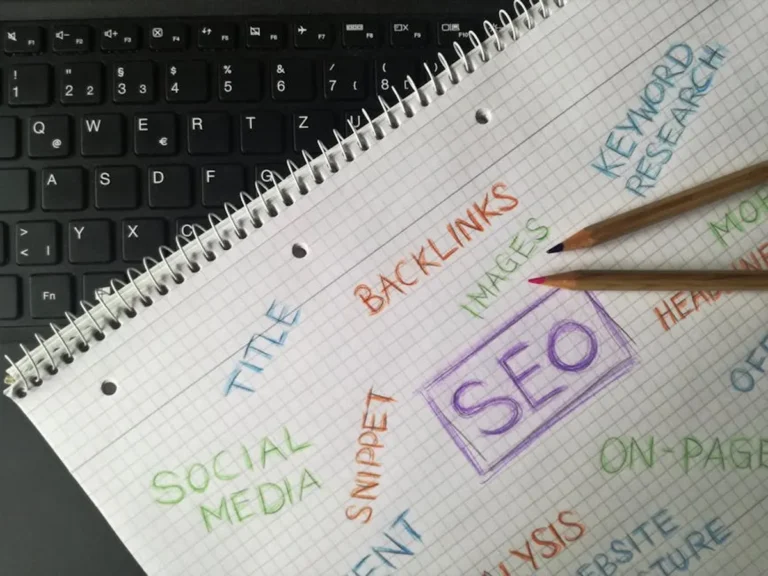
A well-designed author website must also be discoverable. Strategic SEO implementation ensures that target audiences can find the site through search engines.
Begin with thorough keyword research, identifying terms potential readers, clients, or event organizers use to find individuals in your niche. Integrate these keywords naturally into page titles, meta descriptions, headings, and body content. Ensure the site is technically sound, with fast loading times, mobile responsiveness, and a clear site structure that search engine crawlers can easily understand. Implementing schema markup for author, book, or event information can enhance visibility in search results, providing rich snippets that stand out. Regularly publishing high-quality, relevant content through a blog or resource section signals authority and keeps the site fresh, encouraging repeat visits and improving search rankings over time.
Cultivating Your Author Platform for Growth
An author website is not a static entity; it's a dynamic platform requiring ongoing attention and refinement. Post-launch, regular content updates are crucial, not just for SEO but for keeping the audience engaged with new work, insights, and personal developments. Monitor website analytics to understand user behavior: which pages are most popular, where users drop off, and what conversion paths are most effective. This data provides actionable insights for continuous improvement, whether that means optimizing calls to action, refining content, or enhancing user experience. Actively solicit feedback from your audience and adapt the site to better serve their needs and your evolving professional goals. The most successful author websites grow alongside the careers they support, acting as central pillars of a robust and adaptable digital strategy.
Frequently Asked Questions
How often should I update my author website?
Content updates, such as blog posts or news items, should be as frequent as your schedule allows, ideally weekly or bi-weekly, to maintain audience engagement and search engine visibility. Structural or design updates can be less frequent, perhaps annually or bi-annually, based on performance reviews and evolving brand needs.
What are the most crucial pages for an author website?
Essential pages include a professional "About" page, a "Books" or "Works" section, a "Contact" page, and a "Media" or "Press Kit" page. A blog or news section is also highly recommended for ongoing content and SEO benefits.
Should I sell my books directly from my website or link to retailers?
Both approaches have merits. Selling directly offers higher profit margins and direct customer data but requires e-commerce setup and fulfillment. Linking to major retailers provides convenience for buyers and leverages established distribution networks. Many authors use a hybrid approach, offering direct sales for signed copies or special editions while linking to retailers for standard purchases.
How important is mobile responsiveness for an author website?
Mobile responsiveness is critical. A significant portion of web traffic comes from mobile devices, and search engines prioritize mobile-friendly sites. Ensure your website displays and functions flawlessly on all screen sizes to provide a positive user experience and maintain search ranking potential.