
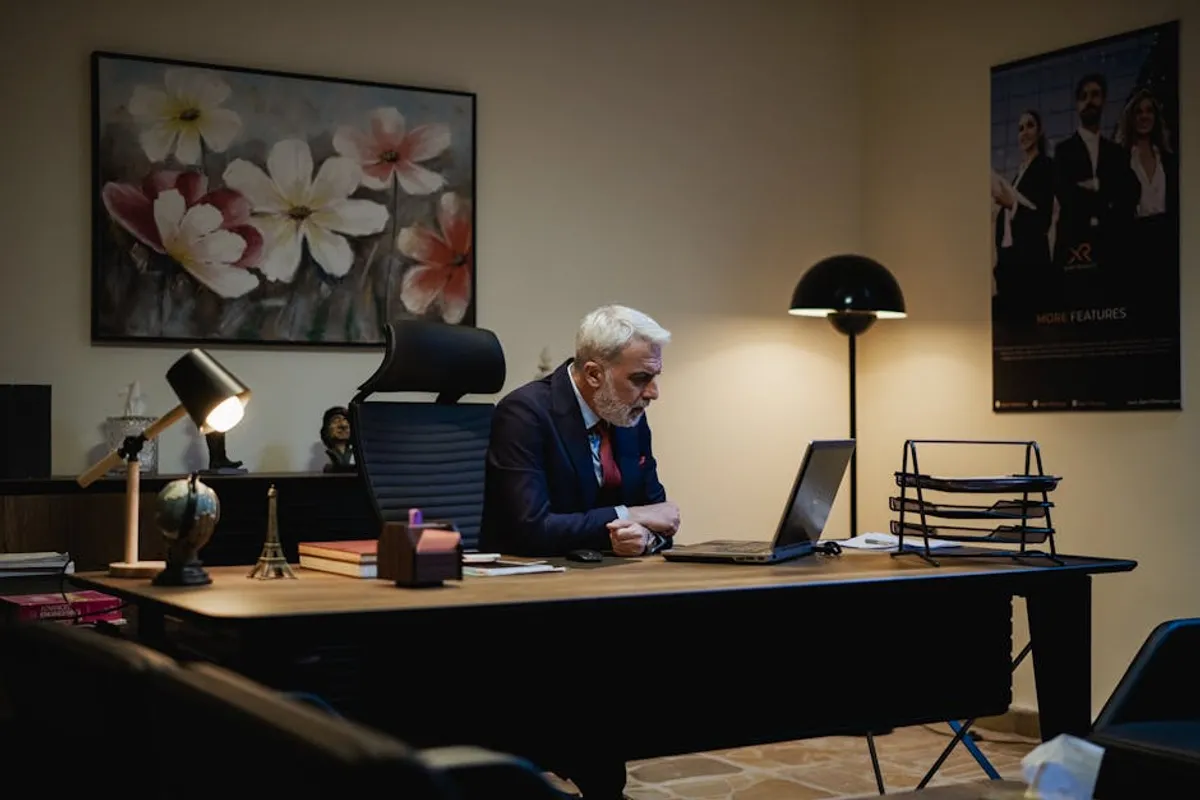
Selecting the optimal lighting for artwork extends beyond mere illumination; it's a critical decision impacting visual perception, material preservation, and the overall aesthetic of a space. The right light enhances colors, reveals textures, and establishes mood, transforming how an observer engages with a piece. Conversely, inappropriate lighting can distort hues, create distracting glare, and, over time, cause irreversible damage through UV radiation or excessive heat.
This guide navigates the distinct characteristics and applications of various lighting solutions tailored for art. Understanding the nuances—from color rendering capabilities to beam angles and mounting options—is essential for making informed choices that protect your investment and elevate the viewing experience. We focus on practical considerations, helping you match specific lighting technologies to different artwork types, display environments, and functional requirements.
What to Look For in Artwork Lighting
Before selecting a lighting system, evaluate these key technical specifications and functional aspects to ensure compatibility with your artwork and space:
- Color Rendering Index (CRI): This measures a light source's ability to reveal the true colors of objects compared to natural light. For artwork, a CRI of 90 or higher is generally recommended to ensure accurate color representation. Lower CRI values can make colors appear dull or distorted.
- Color Temperature (Kelvin): Measured in Kelvin (K), this describes the perceived warmth or coolness of the light. Warm white (2700K-3000K) often suits traditional art and creates a cozy ambiance. Neutral white (3500K-4000K) offers a balanced, daylight-like appearance, suitable for contemporary pieces. Cool white (5000K+) is generally too harsh for most artwork, but can be used for specific modern installations.
- Beam Angle: This refers to the spread of light emitted from the fixture. A narrow beam (e.g., 15-30 degrees) creates a focused spotlight effect, ideal for highlighting small details or individual pieces. A wider beam (e.g., 40-60 degrees) provides a softer wash, suitable for larger artworks or collections.
- UV and IR Filtration: Ultraviolet (UV) radiation and infrared (IR) heat are detrimental to artwork, causing fading, brittleness, and discoloration. Modern LED lights inherently produce minimal UV/IR, but for other light sources or sensitive pieces, ensure fixtures or bulbs include dedicated UV filters and manage heat dissipation effectively.
- Dimming Capability: The ability to adjust light intensity allows for flexible mood setting and can protect sensitive artwork by reducing prolonged exposure to high light levels. Ensure dimmers are compatible with the chosen light source (e.g., LED-specific dimmers).
- Light Source Type: While incandescent and halogen sources offer excellent CRI, their heat output and energy consumption are significant drawbacks. LEDs are now the preferred choice due to their energy efficiency, long lifespan, low heat emission, and high CRI options.
- Mounting Options: Consider how the light integrates with your space. Options include track-mounted, recessed, picture lights (mounted directly on the frame or wall above), wall-mounted spotlights, and specialized display case lighting.
- Adjustability: Fixtures that allow for directional aiming, rotation, and tilt provide flexibility in illuminating various artwork sizes and positions, adapting to changes in display.
1. Integrated LED Picture Lights
These self-contained units mount directly above the artwork, providing a focused, even wash of light across the piece. Modern versions often feature dimmable LEDs with high CRI, designed to minimize heat and UV exposure. They are typically available in various finishes to complement frame styles and room decor, ranging from classic brass to contemporary brushed nickel.
Best For: Individual framed artworks, particularly those in traditional or classic settings where a dedicated, aesthetically integrated light source is desired without extensive electrical work. Suitable for paintings, prints, and photographs.
Pros: Dedicated, aesthetic appearance that complements the artwork; relatively easy installation for plug-in models; precise light delivery to the artwork; often high CRI and low heat output in LED versions, protecting sensitive materials.
Cons: Can create reflections on glazed art if not positioned carefully; limited adjustability once installed; may require electrical wiring for hardwired models; can cast shadows from the frame if not long enough to cover the width of the piece.
Verdict: A classic choice for focused illumination, offering a blend of form and function. Careful selection is required to avoid glare on reflective surfaces and ensure adequate coverage for larger pieces.
2. LED Track Lighting Systems
Track lighting consists of multiple light fixtures mounted on a continuous track, allowing for flexible positioning and aiming. Each fixture (head) can be independently moved along the track and adjusted to highlight specific artworks. Modern LED track heads offer excellent color rendering, various beam angles, and dimming capabilities.
Best For: Galleries, dynamic art collections, and spaces where artwork changes frequently. Ideal for illuminating multiple pieces along a wall or within a specific zone, offering unparalleled flexibility in light placement.
Pros: Highly versatile and adaptable to changing displays; individual fixtures can be precisely aimed and focused; available with various beam angles and color temperatures; energy-efficient and long-lasting with LED heads.
Cons: Can appear utilitarian or industrial if not integrated carefully into the decor; initial installation of the track system can be more complex than single fixtures; potential for multiple shadows if not properly spaced and aimed.
Verdict: The most flexible option for evolving art displays, providing professional-grade control over illumination. Requires thoughtful planning to avoid visual clutter and ensure balanced lighting.
3. Recessed LED Spotlights (Adjustable)
These fixtures are installed flush with the ceiling, providing a clean, unobtrusive aesthetic. Adjustable versions feature gimbals or pivots that allow the light source to be angled to illuminate artwork on walls. High-CRI LED modules are standard, often with interchangeable optics to control beam spread.
Best For: Contemporary spaces seeking a minimalist aesthetic, high ceilings, and situations where artwork is consistently displayed in specific locations. Suitable for illuminating individual pieces or creating a general wash on a wall.
Pros: Discreet and visually clean, blending seamlessly into the ceiling; adjustable models offer precise aiming for artwork; available with high CRI and various beam angles; energy-efficient and long lifespan.
Cons: Requires ceiling modification for installation; once installed, the light source location is fixed, limiting flexibility if artwork positions change significantly; can create harsh shadows if not properly spaced or diffused.
Verdict: An elegant, integrated solution for permanent art displays, offering precise illumination without visible fixtures. Best implemented during construction or major renovation for optimal placement.
4. Wall Washer Systems (Linear LED)
Wall washers are designed to uniformly illuminate an entire wall surface, creating a broad, even distribution of light. Linear LED wall washers often consist of a continuous strip or series of modules mounted near the ceiling or floor, directed at the wall. They are excellent for showcasing large murals, textured walls, or a collection of artworks arranged closely together.
Best For: Large-scale artworks, accentuating architectural features, or illuminating entire sections of a wall with a consistent, soft light. Ideal for creating a gallery-like ambiance for multiple pieces.
Pros: Provides broad, even illumination without harsh hotspots; enhances textures and dimensions of large pieces; creates a sophisticated, uniform background for art; energy-efficient with LED technology.
Cons: Less precise for highlighting individual small pieces; installation can be complex, often requiring professional wiring; may not be suitable for all room aesthetics, depending on the fixture's visibility.
Verdict: An effective solution for achieving uniform lighting across extensive surfaces, ideal for grand displays or architectural integration. Not suitable for pinpointing specific details on small artworks.
5. Halogen Accent Lights (with UV Filters)
While increasingly replaced by LEDs, halogen lights remain valued for their excellent color rendering (CRI typically 95-100) and warm, incandescent-like glow. When used for artwork, they require specific fixtures or bulbs with integrated UV filters to mitigate harmful UV radiation and should be positioned to manage heat output.
Best For: Art collectors who prioritize the traditional warmth and superior color rendition of halogen, especially for older works or those where color accuracy under a specific light spectrum is paramount. Best for pieces not highly sensitive to heat.
Pros: Exceptional color rendering (high CRI); familiar warm light quality; relatively inexpensive initial bulb cost. Can bring out rich tones in certain artworks.
Cons: High heat output can damage sensitive artwork over time; poor energy efficiency compared to LEDs; shorter lifespan requiring more frequent bulb replacement; requires UV filtration to protect art.
Verdict: A high-fidelity light source for color, but its significant drawbacks in heat, energy use, and UV emission make it a less sustainable and potentially damaging choice without strict protective measures.
6. Fiber Optic Lighting Systems
Fiber optic systems separate the light source (illuminator) from the light delivery point. Light travels through flexible fiber optic cables to small, discreet fixtures (end fittings) near the artwork. This allows the heat and UV/IR emissions to be contained at the illuminator, away from the art.
Best For: Highly sensitive or valuable artworks in museums, private collections, or display cases where heat and UV protection are paramount. Ideal for creating subtle, precise illumination with minimal visual impact from the fixtures.
Pros: Virtually no UV, IR, or heat at the point of illumination, ensuring maximum artwork preservation; extremely discreet and small end fittings; can create dramatic, precise lighting effects; single illuminator can power multiple points.
Cons: High initial cost for installation and components; complex installation requiring specialized knowledge; light output can be lower than direct LED sources; limited adjustability once end fittings are placed.
Verdict: The ultimate solution for artwork preservation and discreet illumination, primarily for high-value or highly sensitive pieces where budget and installation complexity are secondary concerns.
7. Wireless/Battery-Powered LED Picture Lights
These picture lights operate on batteries, eliminating the need for electrical wiring. They typically use energy-efficient LEDs and are designed for easy, non-invasive installation. Modern versions can offer good CRI and dimming options, though battery life can vary.
Best For: Renters, temporary displays, or situations where electrical access is difficult or undesirable. Ideal for illuminating individual artworks without permanent modifications to walls or electrical systems.
Pros: Extremely easy to install with no wiring required; highly portable and flexible for repositioning; no electrical costs for operation (beyond battery replacement/recharging); discreet appearance.
Cons: Requires regular battery replacement or recharging, which can be inconvenient; light output may be less powerful or consistent than wired options; battery life can limit long-term continuous use; potentially lower CRI than premium wired options.
Verdict: An excellent, convenient choice for flexibility and ease of installation, but users must manage battery maintenance. Best for less critical applications or temporary art displays.
8. Adjustable Wall-Mounted Spotlights
These fixtures mount directly to the wall, typically above or to the side of the artwork, and feature a swiveling or pivoting head for directional control. Available in various styles and finishes, they often use LED bulbs with high CRI and offer interchangeable beam angles.
Best For: Illuminating individual artworks where ceiling-mounted options are not feasible or desired. Provides targeted light with good adjustability, suitable for both traditional and contemporary settings.
Pros: Offers precise directional control for focused illumination; relatively straightforward installation for hardwired or plug-in models; can be a decorative element in itself; good range of styles and finishes.
Cons: Requires electrical wiring for hardwired models; can create visible fixtures on the wall, impacting minimalist aesthetics; potential for glare if positioned incorrectly; may cast shadows from the fixture itself.
Verdict: A versatile and often stylish solution for targeted artwork lighting, balancing adjustability with a dedicated light source. Careful placement is key to avoid unwanted shadows or glare.
9. Specialty LED Bulbs (High CRI, UV-Filtered)
These are replacement LED bulbs designed for use in existing fixtures (e.g., recessed cans, track heads, or even some picture lights). They offer specific features crucial for art lighting, such as a CRI of 90+, specific color temperatures (e.g., 3000K), and inherently low UV/IR emissions.
Best For: Upgrading existing lighting systems without replacing entire fixtures. Cost-effective solution for improving the quality of light on artwork in spaces already equipped with compatible light sockets.
Pros: Economical way to improve art illumination quality; easy to install (screw-in replacement); allows for customization of color temperature and beam angle within existing infrastructure; energy-efficient.
Cons: Limited by the capabilities and aesthetics of the existing fixture; not all fixtures are designed for optimal art illumination (e.g., proper aiming, glare control); availability of specific beam angles and color temperatures can vary.
Verdict: A practical and budget-friendly option for enhancing art lighting in pre-existing setups. The effectiveness is dependent on the quality and design of the original fixture.
10. Smart Lighting Systems (Integrated Control)
These systems incorporate networked LED fixtures that can be controlled wirelessly via apps, voice commands, or automated schedules. They offer advanced features like tunable white light (adjusting color temperature), full-spectrum color control, and precise dimming, often with high CRI options.
Best For: Modern smart homes, dynamic art displays, or environments where lighting needs to adapt to different times of day, events, or artwork changes. Offers unparalleled control and customization.
Pros: Highly customizable light settings (color temperature, brightness, color); remote control and automation capabilities; can integrate with other smart home devices; energy-efficient with LED technology.
Cons: Higher initial cost for smart fixtures and control hubs; requires technical setup and potential troubleshooting; reliance on network connectivity; complexity may be overkill for simple art illumination needs.
Verdict: A sophisticated solution for those desiring ultimate control and flexibility over their art lighting, allowing for dynamic adjustments to suit varying artwork and ambient conditions.
11. Display Case Lighting (Miniature LEDs)
Specifically designed for illuminating objects within enclosed display cases, cabinets, or vitrines. These typically involve miniature LED spotlights, puck lights, or thin LED strips that provide focused, low-heat illumination without taking up significant space or introducing glare on the glass.
Best For: Sculptures, artifacts, collectibles, or delicate objects housed within display cases where precise, contained lighting is required. Ensures illumination without exposing items to external environmental factors.
Pros: Provides highly controlled, localized illumination; minimal heat and UV output, crucial for preserving enclosed items; discreet and space-saving fixtures; enhances visibility of small details.
Cons: Requires careful planning for wiring within the case; can create reflections on glass if not positioned optimally; limited to illuminating objects within the case, not wall-mounted art; installation can be intricate.
Verdict: Essential for proper presentation and preservation of objects in display cases, offering tailored illumination solutions that protect and highlight delicate items effectively.
12. Gallery-Style Ceiling-Mounted Spotlights (Non-Track)
These are individual spotlights mounted directly to the ceiling, offering a more permanent and often more aesthetically integrated solution than track lighting, particularly in professional gallery or high-end residential settings. They provide precise, directional lighting for specific artworks and often come with interchangeable lenses for various beam angles.
Best For: Dedicated art walls or spaces with a fixed art layout where a clean, architectural lighting solution is preferred over the visible track system. Suitable for individual pieces or carefully curated groupings.
Pros: Clean, architectural aesthetic without visible tracks; precise directional control for individual artworks; available with high CRI and various beam angles; robust and professional-grade construction.
Cons: Less flexible than track lighting for repositioning lights if artwork changes; requires careful planning and professional installation for optimal placement; can be more expensive than track systems for a similar number of fixtures.
Verdict: An elegant and permanent solution for focused art illumination, offering a refined appearance for spaces with a consistent art display strategy. Requires upfront planning for precise placement.
Choosing the Right Lighting Solution
The selection process for artwork lighting involves balancing aesthetic goals with practical considerations. Begin by assessing the artwork itself: its size, medium, sensitivity to light, and reflective properties. A highly textured oil painting benefits from a different light than a glazed photograph or a delicate watercolor. Next, consider the environment: the room's overall lighting scheme, ceiling height, electrical access, and desired aesthetic. Do you need flexibility for changing displays (track lighting) or a permanent, integrated solution (recessed spots)?
Prioritize lights with a high CRI (90+) and appropriate color temperature (typically 2700K-3500K) to ensure accurate and pleasing color rendition. Always opt for LED technology for its efficiency, low heat, and minimal UV output, which are crucial for artwork preservation. If budget allows, consider dimmable fixtures for flexibility in mood and light exposure. For high-value or exceptionally sensitive pieces, consulting with a lighting designer or art conservator can provide specialized guidance, ensuring the longevity and optimal presentation of your collection.
Frequently Asked Questions
What is the ideal CRI for artwork lighting?
A CRI of 90 or higher is ideal for artwork lighting. This ensures that the colors in your art are rendered accurately and vibrantly, closely matching how they would appear under natural daylight.
What color temperature is best for artwork?
For most artwork, a color temperature between 2700K (warm white) and 3500K (neutral white) is recommended. 2700K-3000K typically enhances traditional art, while 3500K can be suitable for contemporary pieces, providing a balanced, natural look. Avoid cool white temperatures above 4000K, which can appear stark and alter perception.
Should I use LED or halogen for artwork?
LED lighting is generally preferred for artwork due to its superior energy efficiency, significantly longer lifespan, and minimal heat and UV emissions. While halogen lights offer excellent CRI, their high heat output and UV radiation pose a risk to artwork preservation and increase energy costs. Modern LEDs with high CRI (90+) now match or exceed the color quality of halogen without the drawbacks.
How far should a picture light be from the artwork?
The ideal distance depends on the size of the artwork and the light's beam angle. Generally, a picture light should be positioned so that its light source is approximately one-third to one-half the height of the artwork away from the top edge. The length of the light fixture should ideally be two-thirds to three-quarters the width of the artwork to ensure even coverage and minimize shadows from the frame.
Can UV light damage artwork?
Yes, UV (ultraviolet) light is highly damaging to artwork. Prolonged exposure can cause pigments to fade, paper and textiles to become brittle, and colors to shift. Modern LED lights