
A personal website serves as a digital foundation for your professional identity, creative output, or niche expertise. Without a clear content plan, however, it risks becoming a static online brochure or an inconsistent blog. Effective content planning transforms a personal site into a dynamic asset, capable of attracting the right audience, establishing authority, and achieving specific goals, whether those involve career advancement, lead generation, or simply sharing knowledge effectively. For beginners, the challenge often lies not in generating ideas, but in structuring those ideas into a cohesive, actionable strategy that delivers measurable impact over time. This guide outlines a systematic approach to developing such a plan, ensuring your personal website's content works strategically for you. This planning process is key to building a personal brand website that truly reflects your unique identity and goals.
Defining Your Personal Website's Core Purpose
Before any content is created, articulate the primary objective of your personal website. This isn't merely about "having an online presence" but about defining what specific outcome you want your site to facilitate. Clarity here dictates every subsequent content decision.
Identify Your Primary Goal
Consider the tangible results you aim for. Examples include:
- Professional Portfolio: Showcasing work samples, case studies, and testimonials to attract clients or employers.
- Thought Leadership Hub: Sharing insights, analyses, and opinions to establish expertise in a specific field.
- Community Building: Fostering interaction and discussion around a niche topic or passion.
- Lead Generation: Capturing contact information for potential clients or collaborators.
- Personal Brand Development: Crafting a consistent narrative and public persona.
Each goal demands different content types, tones, and calls to action. A portfolio site prioritizes visual work and project descriptions, while a thought leadership hub focuses on long-form articles and opinion pieces. Be specific about your primary aim.
Understanding Your Target Audience
Your content's effectiveness is directly tied to how well it resonates with its intended readers. For a personal website, this often means identifying who benefits most from your expertise or offerings.
Profiling Your Ideal Visitor
Go beyond demographics. Consider their:
- Pain Points: What problems do they need solved? What questions do they have?
- Interests: What topics related to your expertise do they actively seek information on?
- Goals: What are they trying to achieve, and how can your content help them?
- Knowledge Level: Are they beginners seeking foundational knowledge, or experts looking for advanced insights?
This profile informs your content's depth, complexity, and specific angle. For instance, if you're a software developer targeting junior developers, your content might include "how-to" guides and foundational concepts. If targeting CTOs, it might focus on strategic insights and architectural patterns.
Developing Content Pillars and Topic Ideas
Content pillars are broad categories or themes that consistently support your website's core purpose and appeal to your target audience. They provide structure and ensure thematic consistency.
Brainstorming Core Themes
Based on your purpose and audience, identify 3-5 evergreen content pillars. For example, a personal website for a freelance graphic designer might have pillars like "Branding Case Studies," "Design Process Insights," and "Client Testimonials & Success Stories."
Within each pillar, generate a list of specific topic ideas. Use methods like:
- Keyword Research (Basic): Utilize free tools to identify terms your audience searches for. Focus on long-tail keywords relevant to your niche.
- Audience Questions: What common questions do you receive in your field? What do people ask on forums or social media?
- Competitor Analysis (Personal Sites): Observe what successful personal websites in your niche are covering, and identify gaps or unique angles you can offer.
- Personal Expertise: What unique experiences, skills, or perspectives can you share that others cannot?
Aim for a mix of foundational content (evergreen, explanatory) and timely content (commentary on current trends, project updates).
Structuring Your Content Calendar
A content calendar transforms abstract ideas into an actionable roadmap. It ensures consistency, helps manage your time, and provides a clear overview of upcoming content.
Creating a Realistic Publishing Schedule
Determine a sustainable publishing frequency. For a personal website, consistency often outweighs sheer volume. This might be weekly, bi-weekly, or monthly. Consider your available time and resource constraints.
Your calendar should include:
- Publish Date: When the content is scheduled to go live.
- Topic/Title: The specific subject of the piece.
- Content Type: Blog post, case study, video, infographic, portfolio update, etc.
- Pillar: Which core theme it falls under.
- Key Message/Goal: What you want readers to take away or do.
- Status: Draft, editing, published.
Simple spreadsheets or free project management tools can effectively manage this. The goal is to visualize your content flow and prevent last-minute scrambling.
Pro Tip: Prioritize evergreen content initially. These pieces continue to attract traffic and establish authority long after publication, providing a stable foundation while you occasionally add more timely or reactive content.
Content Creation and Optimization Best Practices
Planning is only half the battle; the execution of content creation and its subsequent optimization determine its reach and impact.
Crafting Engaging and Search-Friendly Content
- Clear and Concise Writing: For personal websites, authenticity is key. Write in your natural voice, but ensure clarity and avoid jargon where possible, or explain it thoroughly.
- Structure for Readability: Use headings (H2, H3), short paragraphs, bullet points, and bold text to break up content and improve scannability.
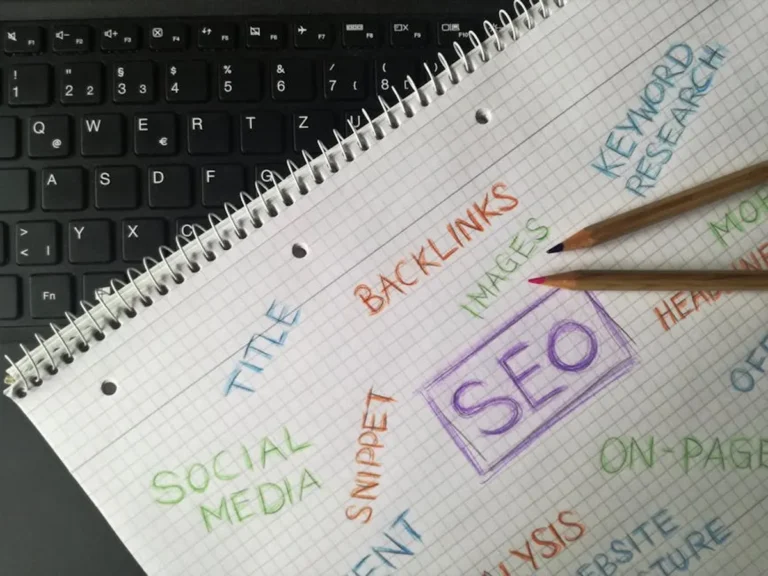
- Basic On-Page SEO:
- Incorporate your target keywords naturally in titles, headings, and throughout the body text.
- Write compelling meta titles and descriptions that encourage clicks from search results.
- Optimize images with descriptive alt text.
- Include internal links to other relevant content on your site and external links to authoritative sources.
- Call to Action (CTA): Even on a personal site, guide your reader. This could be "Connect with me on LinkedIn," "Download my portfolio," "Leave a comment," or "Subscribe to updates."
- Visuals: Incorporate relevant images, videos, or graphics to enhance engagement and explain complex concepts.
Measuring Performance and Adapting Your Strategy
Content planning is an iterative process. Regularly review your content's performance to identify what resonates with your audience and what needs adjustment.
Key Metrics to Monitor
For a personal website, focus on metrics that align with your core purpose:
- Page Views: Which content pieces attract the most attention?
- Time on Page: Are visitors engaging deeply with your content, or bouncing quickly?
- Bounce Rate: How many visitors leave after viewing only one page? A high bounce rate might indicate content misalignment or poor user experience.
- Referral Sources: Where are your visitors coming from (search engines, social media, other websites)? This helps identify effective promotion channels.
- Conversion Rates: If you have a CTA (e.g., newsletter sign-ups, portfolio downloads), track how many visitors complete that action.
Use this data to refine your content pillars, topic ideas, and content formats. If certain types of content consistently underperform, consider pausing or re-evaluating that approach. Conversely, double down on what works well.
Sustaining Your Personal Website's Growth
Consistent effort and strategic adaptation are crucial for a personal website to evolve from a static placeholder to a dynamic, valuable online asset. Begin with a manageable content schedule, focus on delivering genuine value to your chosen audience, and remain open to refining your approach based on real-world performance data. Your personal website is a reflection of your professional journey; plan its content with purpose to maximize its impact.
Frequently Asked Questions About Personal Website Content Planning
How often should I publish new content on my personal website?
The ideal frequency depends on your available time and content goals. For beginners, consistency is more important than volume. Aim for a realistic schedule, such as one well-researched article or portfolio update every two to four weeks. This ensures quality and prevents burnout, while still providing fresh content for your audience and search engines.
Should I focus on a specific niche or cover a broad range of topics?
For personal websites, focusing on a specific niche is generally more effective, especially in the beginning. This helps you establish authority, attract a targeted audience, and differentiate yourself. As your site grows and gains traction, you can gradually expand into related topics, but a narrow focus initially provides a stronger foundation for content planning and SEO.
What if I run out of content ideas for my personal website?
Content idea generation is an ongoing process. Revisit your audience's pain points and questions, explore trending topics in your industry, analyze comments on your existing content, and look for opportunities to update or expand on older posts. Engaging with your professional community on social media or forums can also reveal new topics of interest.
Do I need to be an expert in SEO to plan content effectively for my personal website?
No, you don't need to be an SEO expert, but a basic understanding of SEO principles is highly beneficial. Focus on creating high-quality, valuable content that genuinely answers user questions and uses relevant keywords naturally. Ensuring your site is technically sound (fast loading, mobile-friendly) and easy to navigate will also contribute significantly to its visibility and user experience.