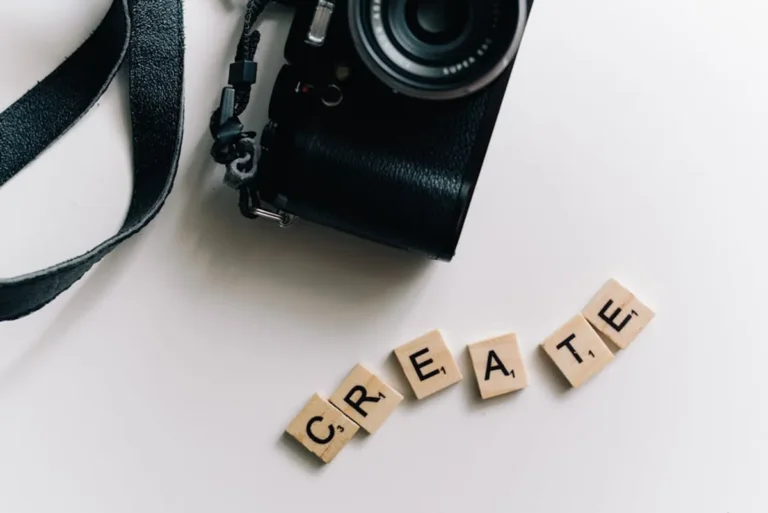

In the digital landscape, an art reel transcends a simple portfolio display; it functions as a dynamic marketing asset. For artists, galleries, and creative businesses, these short-form videos offer a direct channel to capture audience attention, showcase process, and ultimately drive commercial interest or sales. The decision to invest time in creating compelling art reels is a strategic one, aimed at leveraging platforms where visual content dominates. Effective reels are not merely compilations; they are curated narratives designed to engage, inform, and convert viewers into followers, clients, or collectors. This guide outlines the practical steps and considerations for developing art reels that resonate and deliver tangible results.
What Defines an Effective Art Reel
An art reel's effectiveness stems from its ability to tell a story efficiently and visually. It moves beyond static images by demonstrating technique, revealing artistic personality, or presenting finished works in a captivating context. The goal is to create an immersive experience that differentiates your work in a crowded digital space.
Audience and Intent Alignment
Before filming, identify your target audience and the reel's primary objective. Are you aiming to attract commissions, promote an exhibition, sell prints, or build brand awareness? Understanding this intent dictates content choices, pacing, and calls to action. A reel targeting potential buyers of original paintings will differ from one designed to recruit students for an art workshop. Tailoring content ensures relevance and maximizes impact.
Storyboarding Your Visual Narrative
A well-structured reel employs a storyboard, even a rudimentary one. This involves sketching out key shots, transitions, and the overall flow before recording. Consider a beginning that hooks the viewer, a middle that explores the artistic journey or details, and an end that provides a clear call to action. This pre-planning prevents aimless shooting and ensures a cohesive final product that maintains viewer attention.
Curating Your Portfolio for Impact
Not every piece of art is suitable for a reel. Select works that are visually striking, represent your best capabilities, and align with your reel's objective. For process videos, choose a piece that demonstrates interesting techniques or transformations. For showcasing finished works, prioritize those with strong visual appeal and market relevance. A focused selection creates a stronger impression than a broad, unfocused compilation.
Technical Foundations for Production
High-quality production is non-negotiable for art reels. Viewers expect clear visuals and crisp audio, regardless of the platform. Investing in or utilizing available tools effectively enhances perceived professionalism.
Capturing High-Quality Footage
Whether filming your creative process, a studio tour, or finished pieces, stable, well-lit footage is critical. Natural light is often preferable for artwork, but controlled artificial lighting can prevent shadows and glare. Use a tripod or stable surface to eliminate shaky footage. For process videos, film from multiple angles to add visual interest. When showcasing finished pieces, employ smooth panning or close-ups to highlight texture and detail.
Essential Equipment Considerations
You don't need professional cinema cameras to start. Modern smartphones are capable of capturing high-definition video. Key additions include:
- Tripod: Essential for stable shots and time-lapses.
- Lighting Kit: Simple LED panels or ring lights can drastically improve indoor footage.
- External Microphone: If voiceovers or ambient sound are part of your reel, a lavalier or shotgun mic improves audio clarity over built-in phone mics.
- Clean Backgrounds: A plain wall or professional studio setup minimizes distractions.
Choosing Your Editing Platform
Editing software ranges from free mobile apps to professional desktop suites. The choice depends on your budget, technical skill, and desired complexity.
Best for quick edits on mobile: InShot, CapCut, DaVinci Resolve (mobile version)
Best for comprehensive desktop editing: DaVinci Resolve (free desktop version), Adobe Premiere Pro, Final Cut Pro
These platforms offer tools for trimming clips, adding transitions, adjusting color, and incorporating audio tracks.
Pro Tip: Always shoot more footage than you think you'll need. Different angles and takes provide flexibility during editing and allow for more dynamic cuts. Ensure your shooting environment is quiet if you plan to capture ambient sound or voiceovers.
Crafting the Reel in Post-Production
Editing transforms raw footage into a polished, engaging art reel. This is where your storyboard comes to life and your artistic vision takes final shape.
Pacing, Transitions, and Visual Flow
Keep reels concise; most platforms favor content under 60-90 seconds. Vary shot lengths to maintain viewer interest, using quick cuts for energetic segments and longer holds for detailed views. Smooth transitions (cuts, fades, wipes) guide the viewer's eye without distraction. The visual flow should feel natural, building momentum towards the reel's objective.
Integrating Audio and Music Licensing
Music sets the tone. Choose tracks that complement your art style and reel's mood. Platforms like Epidemic Sound, Artlist, or YouTube's Audio Library offer royalty-free music. Always verify licensing to avoid copyright infringement, which can lead to video removal or monetization issues. If using voiceover, ensure it's clear, concise, and adds value, not just description.
Text Overlays, CTAs, and Branding
Use text sparingly for clarity—to introduce your name, website, or specific artwork titles. A clear call to action (CTA) is crucial at the end: "Visit my shop," "Follow for more," or "DM for commissions." Incorporate your logo or brand colors subtly to reinforce brand identity. Consistency in branding across all your digital content builds recognition.
Platform Optimization and Distribution
A perfectly edited reel needs to be optimized for the specific platforms where it will be shared to maximize reach and engagement.
Aspect Ratios and Resolution Standards
Different platforms favor different aspect ratios. Instagram Reels and TikTok prioritize vertical video (9:16 aspect ratio, e.g., 1080x1920 pixels). YouTube Shorts also uses 9:16, while regular YouTube videos are typically horizontal (16:9). LinkedIn and Facebook can accommodate both, but vertical often performs better for short-form content. Exporting in the correct resolution and aspect ratio prevents cropping issues and ensures your art looks its best.
Strategic Hashtag Implementation
Hashtags are discovery tools. Research relevant hashtags in your niche (e.g., #abstractart, #oilpainting, #artprocess, #artistsoninstagram, #contemporaryart). Mix broad, high-volume tags with niche-specific ones to reach both wide and targeted audiences. Monitor trending hashtags that align with your content for increased visibility.
Timing and Engagement Analytics
Post when your audience is most active. Use platform analytics to identify peak engagement times. Analyze metrics like views, watch time, shares, saves, and comments to understand what resonates. This data informs future content strategy, allowing you to refine your approach and produce more effective reels over time.
Sustaining Momentum with Art Reels
Creating art reels is an ongoing process of creation, analysis, and adaptation. Consistently producing high-quality, engaging content keeps your audience invested and attracts new viewers. Experiment with different formats—time-lapses, studio vlogs, Q&As, or mini-tutorials—to keep your content fresh and diverse. Pay attention to audience feedback and platform trends, adjusting your strategy to maintain relevance and maximize your commercial impact. Your art reel strategy should evolve with your artistic practice and the digital landscape.
Frequently Asked Questions
How long should an art reel be?
Most art reels perform best when they are concise, typically ranging from 15 to 90 seconds. Short-form video platforms like Instagram Reels and TikTok favor content under 60 seconds, while YouTube Shorts can extend slightly longer. The ideal length balances showcasing your work effectively with maintaining viewer attention.
What type of music is best for art reels?
The best music complements your art style and the mood of your reel. Consider instrumental tracks that evoke emotion without distracting from the visuals. Ensure you use royalty-free music or licensed tracks to avoid copyright issues, which can lead to content removal or penalties on most platforms.
Should I include my face in my art reels?
Including your face can personalize your content and build a stronger connection with your audience, especially for process videos or studio tours. However, it's not mandatory. If your focus is purely on the artwork or technique, maintaining anonymity is perfectly acceptable. The decision depends on your personal brand and content strategy.
How often should I post art reels?
Consistency is key for audience growth and engagement. Aim for a posting schedule you can realistically maintain, whether that's once a week, bi-weekly, or more frequently. Regular posts keep your content visible in algorithms and your audience engaged, but quality should always take precedence over quantity.