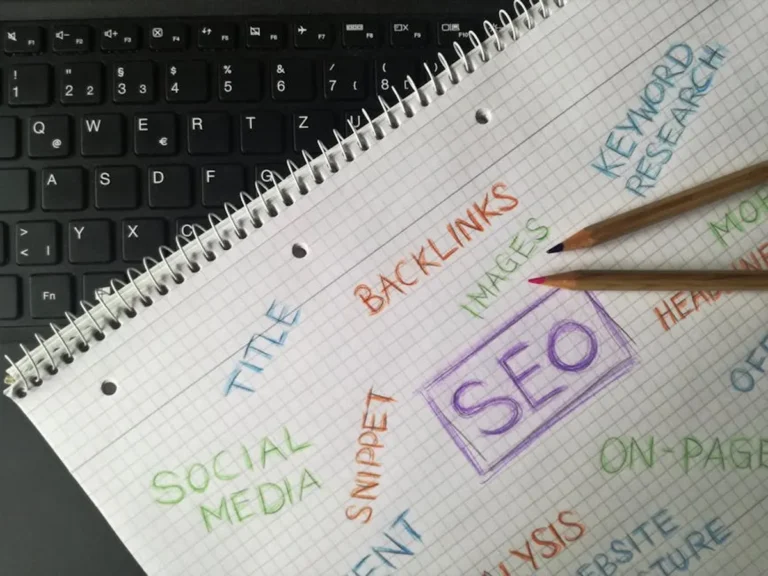

Effectively sharing diverse content online—photography, long-form essays, and critical press mentions—requires a strategic approach that extends beyond simple uploads. Each content type serves a distinct purpose in establishing authority, credibility, and brand visibility. For SEO professionals, marketers, site owners, and agencies, the goal is not merely to publish, but to optimize for discoverability, reinforce expertise, and drive specific user actions, whether that's engagement with visual work, deep dives into thought leadership, or validation through third-party endorsements. Understanding the technical and strategic nuances for each format ensures that your online presence is cohesive, impactful, and designed for maximum search engine performance.
Optimizing Photography for Online Portfolios and Galleries
When sharing photography, the primary objective is visual impact combined with technical performance. High-resolution images are essential for conveying quality, but they must be balanced against site speed considerations. Large file sizes can drastically slow page load times, negatively impacting user experience and search rankings. Implement responsive image techniques, serving appropriately sized images based on the user's device and viewport. Utilize modern image formats like WebP where supported, as they offer superior compression without significant quality loss compared to JPEGs or PNGs.
Beyond technical optimization, photography requires specific SEO attention:
- Descriptive Filenames: Rename image files to include relevant keywords (e.g.,
city-skyline-sunset-photography.webpinstead ofDSC001.jpg). - Alt Text: Provide detailed, keyword-rich alt text for every image. This describes the image content for visually impaired users and provides context for search engines, improving image search visibility.
- Captions: Use descriptive captions to add context and engage users. Captions are often scanned by users and can include relevant keywords.
- Image Structured Data: Implement schema.org markup (e.g.,
ImageObject) to provide explicit signals to search engines about the image's content, creator, and copyright. This can enhance rich snippet potential in image search results. - Dedicated Galleries or Portfolio Pages: Organize images into logical galleries or portfolio pages with unique, keyword-optimized URLs and introductory text. This creates valuable landing pages for image-focused queries.
Best for: Visual artists, product photographers, photojournalists, and anyone leveraging imagery to tell a story or showcase work.
Publishing and Distributing Essays for Authority
Essays, whitepapers, and long-form articles are critical for demonstrating expertise and thought leadership. The online presentation of these pieces should prioritize readability, search engine crawlability, and authoritativeness. A robust content management system (CMS) is foundational, allowing for structured content, easy editing, and integration with SEO tools.
Key considerations for essay publication:
- Content Structure: Break up long essays with clear headings (H2, H3, H4), bullet points, and short paragraphs. This improves readability and allows search engines to better understand content hierarchy.
- Keyword Strategy: Conduct thorough keyword research to identify relevant topics and phrases. Integrate these naturally throughout the essay, focusing on semantic relevance rather than keyword stuffing.
- Internal Linking: Strategically link to other relevant essays, case studies, or service pages within your site. This builds topical authority, distributes link equity, and guides users through your content ecosystem.
- External Linking: Link out to credible, authoritative sources to support your arguments and demonstrate thorough research. Use
rel="nofollow"orrel="sponsored"where appropriate for commercial or untrusted links. - Author Bio and E-E-A-T: Include a detailed author bio, ideally with links to social profiles or other published works. This signals Experience, Expertise, Authoritativeness, and Trustworthiness (E-E-A-T) to search engines, particularly for YMYL (Your Money Your Life) topics.
- Schema Markup for Articles: Use
Articleschema (e.g.,BlogPosting,NewsArticle) to provide structured data about the essay's title, author, publication date, and main entity.
Pro Tip: When syndicating essays to other platforms (e.g., Medium, LinkedIn), always ensure your original publication has a canonical tag pointing back to your site. This prevents duplicate content issues and consolidates link equity to your primary source, reinforcing your site as the authoritative origin.
Showcasing Press Mentions and Media Coverage
Press mentions, awards, and media coverage serve as powerful social proof and third-party validation. Curating these effectively on your site enhances credibility and can significantly influence user perception and conversion rates. A dedicated "Press," "Media," or "In the News" section is crucial.
Strategic presentation of press mentions includes:
- Centralized "Press" Page: Create a single, easily navigable page that aggregates all your media mentions. Organize chronologically or by publication.
- Direct Links to Original Sources: Always link directly to the original article, interview, or broadcast. This provides verifiable proof and can pass valuable link equity (though often
nofollow) from reputable news sites. - Excerpts and Summaries: Provide a brief, compelling excerpt or summary of the mention. This allows users to quickly grasp the context and significance without leaving your site immediately.
- Visual Elements: Include logos of the publications that featured you, or embed video/audio clips where applicable. This adds visual appeal and reinforces brand recognition.
- Testimonial Integration: For particularly impactful quotes from press, consider integrating them into relevant service or product pages as testimonials, linking back to the full mention.
- Schema Markup for Mentions: While less common, consider using
RevieworArticleschema in conjunction with your press page to highlight positive third-party coverage, if applicable to the content type.
Integrating Diverse Content for a Cohesive Online Presence
The true power of sharing photography, essays, and press mentions online emerges when these elements are integrated into a cohesive digital strategy. Instead of isolated silos, view them as interconnected components supporting a central narrative or brand message.
Consider:
- Cross-Promotion: Reference relevant essays within your photography portfolio descriptions, or embed compelling images within your long-form articles. Link press mentions from your "About Us" page or individual team member bios.
- Unified Branding: Maintain consistent branding, tone, and visual identity across all content types and platforms. This reinforces recognition and trustworthiness.
- Analytics Tracking: Implement robust analytics to track how users interact with each content type. Identify which pieces drive the most engagement, conversions, or inbound links. Use this data to refine your content strategy.
- Mobile-First Design: Ensure all content—images, text, and embedded media—is fully responsive and optimized for mobile devices. Google's mobile-first indexing prioritizes the mobile version of your site.
Sustaining Your Online Content Strategy
Sharing diverse content online is an ongoing process, not a one-time task. Regularly review and update your photography portfolios, refresh older essays with new data or insights, and consistently add new press mentions. An active, evolving online presence signals relevance and authority to both users and search engines. Focus on creating high-quality, valuable content that genuinely serves your audience, and then apply these technical and strategic best practices to ensure it reaches its intended viewers effectively.
Frequently Asked Questions
How often should I update my online portfolio or essay section?
Update your photography portfolio as new, significant work becomes available or as your style evolves. For essays, aim for a consistent publishing schedule, perhaps monthly or bi-weekly, to maintain audience engagement and signal ongoing activity to search engines. Regularly review older essays for accuracy and opportunities to refresh with current information.
Is it better to host my photography directly on my website or use a third-party platform?
Hosting photography directly on your website offers maximum control over branding, SEO, and user experience. Third-party platforms (e.g., Flickr, Behance) provide built-in audiences and exposure but limit customization and often dilute your site's SEO value. A common strategy is to host primary portfolios on your site while using third-party platforms for broader distribution and backlink generation, ensuring canonical tags point to your site.
What's the best way to get more press mentions for my work or brand?
Securing press mentions involves proactive public relations. This includes identifying relevant journalists and publications, crafting compelling press releases or pitches, and building relationships with media contacts. Focus on newsworthy angles, unique insights, or significant achievements that align with a publication's editorial focus.
Can I reuse content across different platforms without being penalized for duplicate content?
Yes, but with caution. When reusing essays or articles, implement canonical tags on syndicated versions to point back to the original source on your website. For photography, ensure unique alt text and captions on different platforms. For press mentions, linking back to the original source is standard practice and not considered duplicate content.