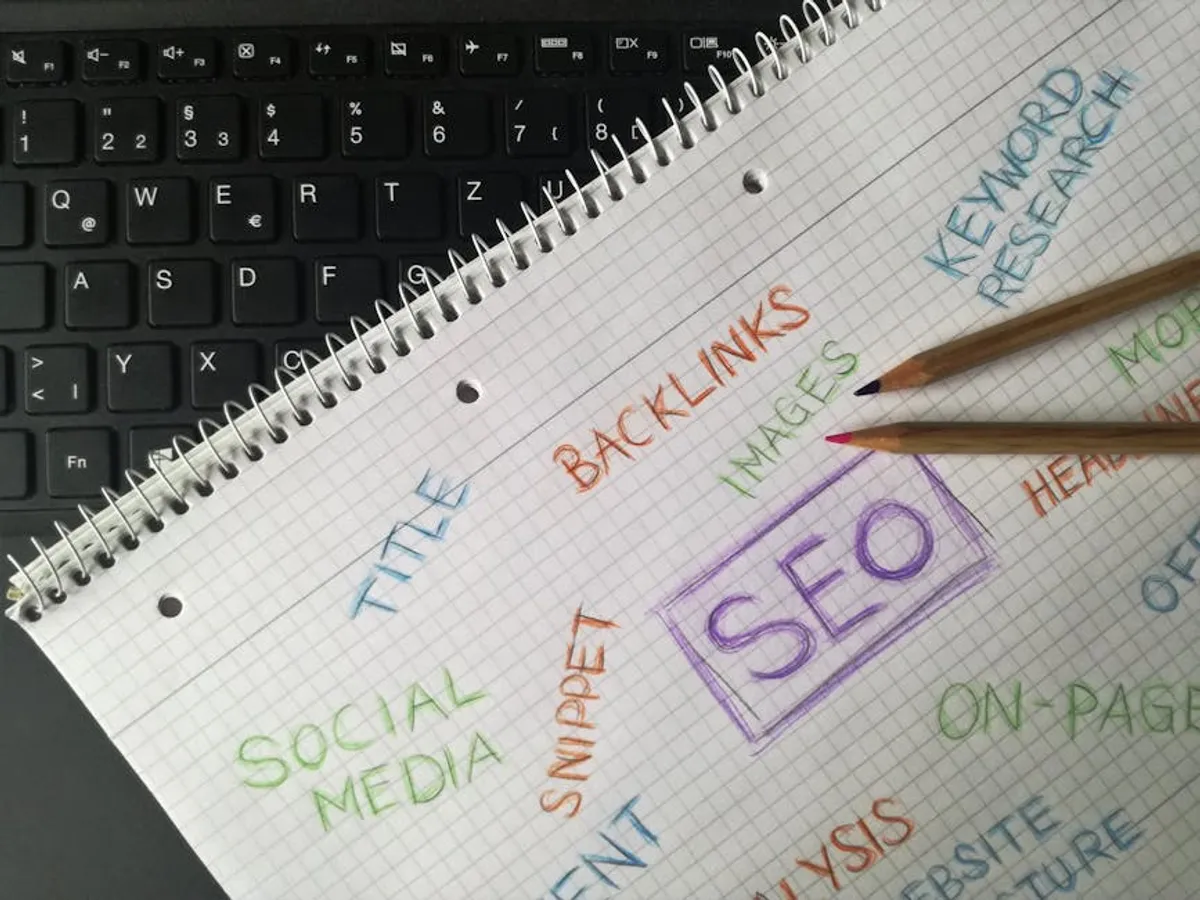
For artists, a website functions as a digital gallery, portfolio, and primary sales channel. Yet, simply having a website does not guarantee visibility. In a crowded online art market, search engine optimization (SEO) is not an optional extra; it is a fundamental strategy for connecting with collectors, gallerists, and art enthusiasts who are actively searching for new work. Effective SEO ensures your art is discoverable by those most likely to appreciate and acquire it, moving beyond the limitations of social media algorithms and direct referrals.
Defining Your Artistic Niche and Keywords
Successful SEO for artist websites begins with a precise understanding of your unique artistic identity and how potential audiences search for it. Generic terms like "art" or "painting" are too broad to yield meaningful results. Instead, focus on specific descriptors that capture your style, medium, subject matter, and even the emotional impact of your work. To effectively communicate this, consider how you are defining your unique artistic identity across all platforms.
- Medium-Specific Terms: "oil portraiture," "bronze sculpture," "mixed media collage," "digital illustration."
- Style and Movement: "abstract expressionism," "contemporary realism," "surrealist photography," "minimalist ceramics."
- Subject Matter: "landscape art," "figurative painting," "still life photography," "animal sculpture."
- Geographic Focus: "San Francisco muralist," "London street artist," "local art commissions [city name]."
- Conceptual Themes: "environmental art," "identity exploration through art," "narrative painting."
Use these keywords naturally within your website's page titles, meta descriptions, image alt text, and descriptive paragraphs. Think about the questions a collector might type into a search engine if they were looking for art like yours.
Optimizing Your Art Portfolio and Image Assets
Visual content is paramount for artists, making image optimization a critical SEO component. Search engines need context to understand and rank your visual assets.
Descriptive Image File Names
Before uploading, rename image files from generic camera codes (e.g., "IMG_8472.jpg") to descriptive, keyword-rich titles (e.g., "abstract-oil-painting-blue-green-serenity.jpg"). This provides an initial signal to search engines about the image's content.
Comprehensive Alt Text
Alternative text (alt text) describes an image for visually impaired users and for search engines that cannot "see" images. Write concise, descriptive alt text that includes relevant keywords without keyword stuffing. For example, for a painting of a red barn in a field, use "Oil painting of a red barn in a green field by [Artist Name]" rather than just "red barn."
Image Compression and Loading Speed
Large image files can significantly slow down your website, negatively impacting user experience and search rankings. Compress images to optimize file size without sacrificing visual quality. Tools exist to achieve this balance, ensuring your portfolio loads quickly on all devices.
Structured Data for Artwork
Implementing schema markup (structured data) for your artwork can help search engines better understand your content and potentially display richer results. The schema.org/Artwork type allows you to specify details like the artist, date created, material, dimensions, and even an offer for sale. This explicit data makes it easier for search engines to categorize and present your work accurately.
Pro Tip: Beyond individual artwork, consider using schema.org/Person for your artist bio page and schema.org/Event for exhibitions or workshops. This provides search engines with a structured understanding of your professional identity and public engagements.
Website Structure and Content Strategy
A well-organized website benefits both visitors and search engine crawlers. A logical hierarchy makes navigation intuitive and helps distribute SEO authority across your site.
Clear Navigation and URLs
Your website should have a clear, simple navigation menu. Use descriptive, short URLs that include relevant keywords for each page (e.g., yourwebsite.com/oil-paintings/abstract-landscapes). Avoid overly complex URL structures.
Dedicated Portfolio Pages
Each artwork or series should have its own dedicated page. This allows for specific keyword targeting, detailed descriptions, and unique alt text for each piece. These pages are opportunities to provide context, inspiration, and technical details that enrich the user experience and offer more content for search engines to index.
Blogging and Artist Statements
Regularly publishing blog posts or detailed artist statements on your website establishes your expertise and provides fresh, keyword-rich content. Use your blog to discuss your artistic process, inspirations, exhibition experiences, or insights into the art world. This content can attract visitors searching for information related to your niche, not just specific artworks.
Building Authority and Visibility
Search engines consider external signals of credibility when ranking websites. These signals, often called backlinks, indicate that other reputable sources view your site as valuable.
Strategic Backlink Acquisition
Seek opportunities for your website to be linked from relevant, high-authority sources. This could include:
- Features in online art magazines or blogs.
- Mentions on gallery websites where your work is exhibited.
- Collaborations with other artists or creative professionals.
- Press coverage from local or national news outlets.
- Listings in reputable art directories.
Focus on quality over quantity; a few links from respected art institutions or publications are more valuable than many from low-quality sites.
Local SEO for Artists
If you have a physical studio, gallery, or frequently participate in local events, optimize for local search. Create and verify a Google Business Profile listing, ensuring all information (address, hours, phone, website) is accurate and consistent across the web. Encourage clients to leave reviews, as these contribute to local search visibility.
Sustaining Your Artist Website SEO
SEO is an ongoing process, not a one-time task. Regularly review your website's performance using analytics tools to identify what's working and what needs improvement. Update old content, add new artworks, and continue to build your online presence. The goal is to consistently demonstrate to search engines that your website is a valuable, active resource for art enthusiasts.
Frequently Asked Questions About SEO for Artist Websites
How long does it take to see SEO results for an artist website?
SEO is a long-term strategy. Significant improvements in search rankings and organic traffic typically take several months, often 6-12 months, depending on competition and the consistency of your efforts. Initial changes like image optimization can show results sooner.
Do I need to be a tech expert to do SEO for my art website?
No. While some technical understanding helps, many website builders offer built-in SEO features, and the core principles (keywords, good content, descriptive images) are accessible. Focus on clear communication and user experience, and technical aspects can often be learned or delegated.
Should artists prioritize social media or SEO?
Both are valuable but serve different purposes. Social media offers immediate engagement and community building, while SEO provides sustainable, passive discovery through search engines. A balanced strategy that leverages both channels for different goals is most effective.
Is it worth paying for SEO services as an artist?
For artists with established practices or those seeking rapid growth, investing in professional SEO services can be beneficial. An expert can conduct in-depth keyword research, technical audits, and link-building campaigns. For emerging artists, learning the basics and applying them consistently is a cost-effective starting point.