The studio is not just a space where art gets made. It is an arrangement of materials, tools, surfaces, light, and accumulated knowledge that shapes what's possible to make in it. The studio that's organized one way produces certain kinds of work; the studio organized another way produces different kinds. The studio matters in ways that the materials-and-tools framing alone doesn't fully capture.
This essay is about the materiality of the studio — what it consists of, how it shapes the practice that happens within it, and why the studio itself becomes part of the work over time.
What the studio consists of
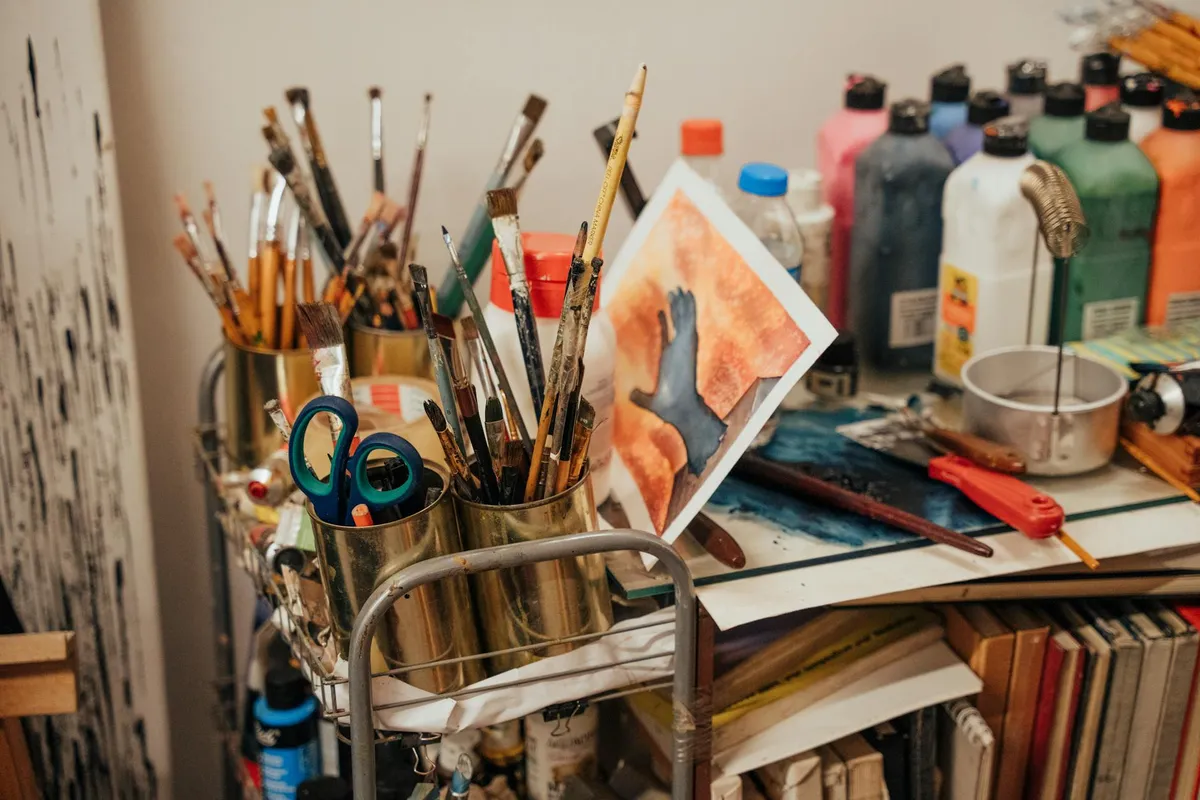
The studio I work in includes the obvious tools and materials — paints, brushes, supports, printmaking equipment. It also includes elements that are less obvious but equally essential.
The light. North-facing windows that produce consistent natural light during working hours. Supplementary lighting positioned for the times of year when natural light is insufficient.
The surfaces. A working table at the right height for the work I do. A wall for hanging in-progress pieces where I can see them while working on others. Storage that keeps accumulated work organized and accessible.
The reference materials. Books I return to, prints by other artists I've studied, photographs, color samples, drawings from my own past that I reference. The accumulated visual vocabulary of my practice physically present.
The unfinished work. Pieces in various states of progress that I look at while working on other things. The conversations across pieces happen partly through their physical proximity.
The detritus. The accumulated paint splatter, the worn brushes, the patina of years of use. The studio bears traces of the work that has happened in it.
Each of these elements is part of what the studio provides. The studio is the sum of these elements arranged in particular ways.
How the studio shapes practice
The arrangement of the studio shapes what happens in it. A studio organized around easel painting produces different work than a studio organized around printmaking. A studio with extensive book collection produces different work than a studio without one. A studio with lots of in-progress work visible produces different decisions than one with finished work cleared away.
The shaping isn't deterministic — artists work against their studio configurations as well as with them. But the shaping is real. The studio isn't neutral; it has positions, and those positions affect what gets made.
This is part of why moving studios is significant for artists. A new studio doesn't just relocate the practice; it changes it. The new arrangement of light, space, materials, and reference materials produces different work than the previous studio did. Some of the change is loss; some is gain. Either way, the change is real.
The studio as accumulated knowledge
The studio that's been worked in for years contains accumulated knowledge that a new studio doesn't have. The marks of past projects on the walls. The ways the materials are organized — born of trial and error across many projects. The understanding of where the light falls at different times of year. The memory of what happened in the space.
This accumulated knowledge has weight. Working in a studio with this depth feels different from working in a fresh studio, even when the practice is the same. The fresh studio has potential the working studio lacks; the working studio has accumulated context the fresh studio lacks. Both have value.
For artists who maintain studios across years, the studio becomes an extension of practice — a physical archive of working through, a record of what has been attempted and what has succeeded. The studio itself is part of what an artist accumulates over a working life.
The relationship to making
The studio is what makes making possible. Without the right materials in the right places, the right light, the right surfaces, the right reference materials, the work would either not happen or would happen differently than it does.
This dependence is sometimes uncomfortable to acknowledge. The romantic image of the artist suggests that art comes from internal vision rather than from external arrangement. The actual practice of making depends on both. The vision matters, certainly. The vision can't produce work without the material conditions that support production.
For artists facing studio constraints (limited space, financial pressure, life situations that displace studio access), the constraints affect what work can be made. The constraints are real and often determinative. Working artists who lose studio access frequently produce less work or different work; the change isn't always recoverable.
The economics of studio space
Studio space is expensive in most cities. The economic reality of maintaining studio space is among the persistent challenges of working artists. Many artists work from home in spaces that aren't ideal but are what they can afford. Others maintain commercial studios at significant cost. Some negotiate informal arrangements with friends or institutions.
None of these arrangements is permanent for most artists. The studio you have now may not be the studio you have in five years. The instability of studio access is part of what working artists manage. Cities with active artist communities sometimes maintain shared studio spaces or affordable artist housing; these are valuable but limited.
The economics push toward smaller and more-efficient studios than artists would prefer. The trade-off between space and cost is one of the persistent compromises of artistic life.
What a working studio teaches visitors
Visitors to a working studio see something different from visitors to a gallery. The gallery shows finished work in arrangements designed for viewing. The studio shows work in process, materials in use, the messiness of actual making.
This is uncomfortable for some artists, who prefer to control how their work is encountered. For others, studio visits are part of how they explain their practice. There is no single right relationship between studios and visitors.
What studio visitors generally take away: the practice is more material, more accumulative, less mysterious than the gallery experience suggests. The work emerges from labor in particular conditions, not from inspired moments separated from the rest of life.
The studio you can't have
Most artists have studio fantasies — the larger space, the better light, the dedicated room for printmaking, the storage that would solve the chronic organization problem. These fantasies usually don't come true. Working artists work in the studios they have, not the studios they imagine.
This is not entirely loss. The constraints of an actual studio produce work that an idealized studio might not. Limitations focus practice in productive ways. The studio you can't have is sometimes a distraction from the work that's actually possible in the studio you do have.
The artists who produce sustained bodies of work generally make peace with their actual studios. They optimize within their constraints rather than waiting for ideal conditions.
The closing observation
The studio is more than its tools and materials. It is a particular arrangement of conditions that shapes what gets made within it. The studio is part of the practice, accumulating its own kind of knowledge across years, becoming an extension of the artist who works in it.
For artists, attention to the studio as material practice — not just as space — produces better practice. The arrangement matters. The accumulation matters. The constraints matter. Working with all of these consciously, rather than ignoring them, makes the practice more productive and the work better.
The studio is where the work happens. It deserves the attention that the work itself receives.