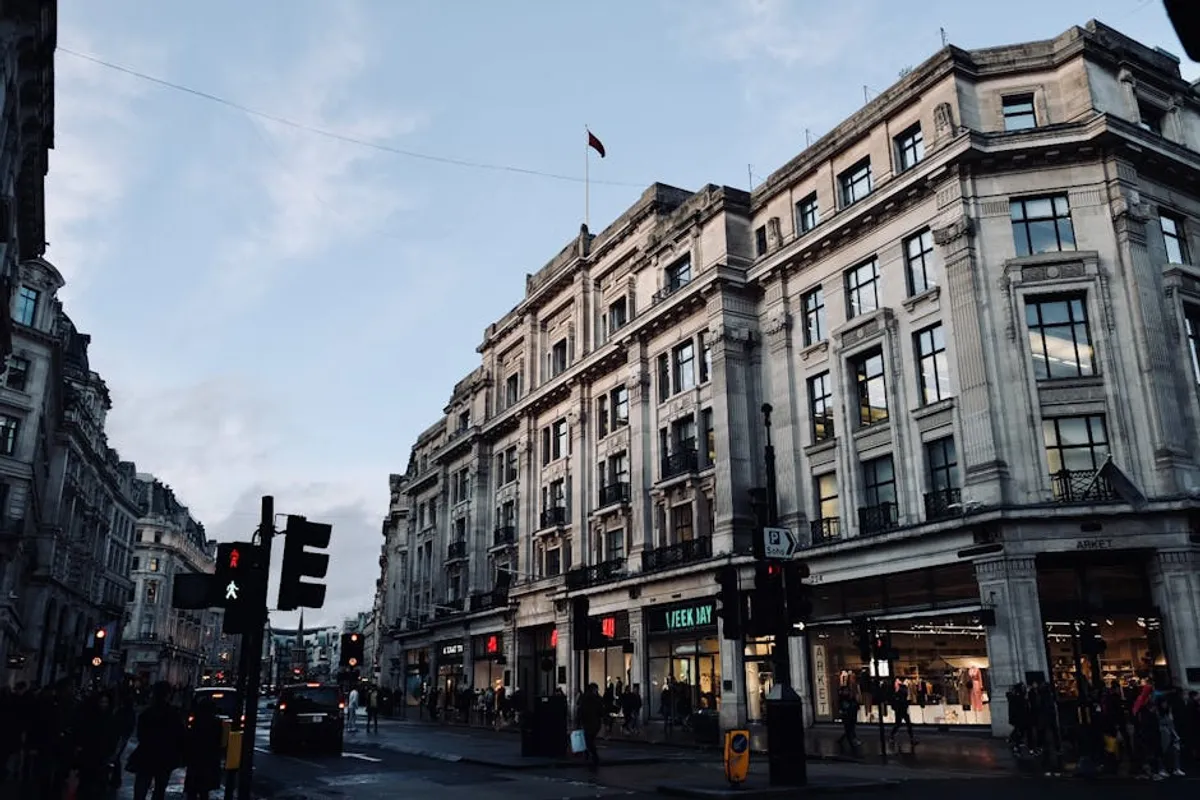
The Mayfair London Review site positions itself as a content hub focused on the upscale Mayfair district of London, aiming to capture search interest from a diverse audience. Its approach to content, as indicated by the implied topic clusters, suggests an effort to address both broad informational queries and more specific, commercially-oriented research. Analyzing its potential search traffic patterns involves understanding how a site dedicated to a specific, high-value geographic area can attract and retain organic visibility, particularly given the competitive nature of luxury travel, real estate, and lifestyle content.
What the Mayfair London Review Site Appears to Cover
The content strategy of the Mayfair London Review site appears structured around several key pillars, each targeting distinct facets of the Mayfair experience. Articles under the "What It Is" umbrella likely provide foundational information, such as definitional guides to Mayfair's historical significance, its current cultural landscape, or its role as a global center for luxury and finance. This content aims to serve users seeking a comprehensive understanding of the district's identity and allure, covering topics like prominent architectural styles, the evolution of its social scene, or its unique contribution to London's economy. Such pieces would typically be evergreen, establishing the site's authority on the subject.
Content categorized as "Features" would delve deeper into specific attributes or offerings within Mayfair. This includes detailed explorations of its world-renowned luxury boutiques, Michelin-starred restaurants, exclusive art galleries, and high-end hotels. These articles might spotlight individual establishments, analyze emerging trends in Mayfair's retail or culinary scenes, or provide curated lists of experiences. Similarly, the site could publish content on the Mayfair real estate market, dissecting property values, architectural nuances of specific streets, or investment opportunities within the district. This content serves users conducting more granular research, often with a commercial intent.
The "Safety" aspect suggests a focus on user reassurance and practical guidance. This could involve articles discussing general visitor safety in Mayfair, local etiquette, or specific advice regarding reputable service providers to avoid potential pitfalls. Such content addresses user concerns about security, trustworthiness, and navigating an unfamiliar, often high-value environment. It builds trust by demonstrating an understanding of practical visitor needs. Finally, "Alternatives" content broadens the site's scope by comparing Mayfair to other luxury districts in London or globally, or by offering different options for specific experiences. For instance, it might compare Mayfair's shopping to Knightsbridge, or suggest alternative high-end dining experiences outside the immediate district. This type of content captures users in the comparative research phase, helping them weigh options and make informed decisions.
Where Its Search Traffic May Come From
The Mayfair London Review site's organic traffic is likely driven by a combination of informational, local, and commercially investigative queries. Informational searches might include "history of Mayfair London," "what to do in Mayfair," or "famous streets in Mayfair." These queries attract users seeking knowledge and general guidance. Local searches, often incorporating geographic modifiers, would target users physically present or planning to visit, such as "best restaurants Mayfair," "luxury hotels Mayfair," or "art galleries near Bond Street." These are typically high-intent queries with immediate practical application.
Commercially investigative traffic would stem from users researching specific luxury goods, services, or properties within the district. Examples include "Mayfair boutique shopping guide," "Mayfair property investment," or "exclusive clubs Mayfair." These users are often further down the conversion funnel, comparing options before making a decision or a booking. Long-tail keywords, such as "Mayfair bespoke tailoring services" or "Mayfair art fair dates," also contribute significantly, as they reflect highly specific user needs and often have lower competition, making them valuable for niche visibility.
Search Intent Behind the Subject
The content strategy of the Mayfair London Review site caters to a spectrum of search intents. Informational intent is addressed by its foundational "What It Is" content, providing context and general knowledge about the district. Users here are in the discovery phase, seeking to learn without immediate commercial pressure. Navigational intent is served by content guiding users to specific locations or types of establishments within Mayfair, such as "Burlington Arcade opening hours" or "how to get to Savile Row."
Commercial investigation intent is strongly targeted by the "Features" and "Alternatives" content. Users searching for "Mayfair luxury watch dealers review" or "best fine dining Mayfair vs Belgravia" are actively comparing options and evaluating choices before a potential purchase or booking. Finally, a transactional intent, while less directly served by general review content, can be implied for users who have progressed through their research and are now looking for booking information or direct contact details for businesses featured on the site. The site's content acts as a crucial touchpoint in this journey, influencing decisions by providing detailed, authoritative information.
Why Traffic May Rise or Fall
Organic traffic for a site like Mayfair London Review is subject to several variables. Seasonal trends play a significant role; traffic related to tourism, luxury shopping, and dining often peaks during holiday seasons, major events, or specific travel periods. Economic shifts, particularly those affecting disposable income or the luxury market, can directly impact search volume for high-end experiences and products, leading to fluctuations in relevant queries. Major local events, such as the Frieze Art Fair or London Fashion Week, generate temporary spikes in search interest for Mayfair-related topics.
Content freshness and relevance are also critical. Outdated information about businesses, events, or local regulations can lead to a decline in search visibility. Conversely, regularly updated guides, timely reviews of new establishments, or analyses of current trends can boost traffic. Changes in the competitive landscape, with new sites emerging to cover similar luxury London topics, can also dilute a site's traffic share. Furthermore, algorithm updates from major search engines can re-evaluate content quality and authority, leading to shifts in rankings and overall visibility.
How the Site Could Improve Organic Visibility
To enhance its organic visibility, the Mayfair London Review site could implement several strategic SEO initiatives. Expanding its content clusters to cover more granular, long-tail topics within existing categories would capture highly specific user queries. For example, rather than just "Mayfair restaurants," creating detailed guides for "vegan fine dining Mayfair" or "Mayfair private dining rooms for events" would broaden its reach. Incorporating structured data markup, particularly LocalBusiness and Event schema, would help search engines better understand and display its content in rich snippets for local searches, improving click-through rates.
Developing a robust internal linking strategy would distribute link equity more effectively across the site, highlighting important content and guiding users through related topics. Focusing on creating more authoritative, expert-driven content, perhaps through interviews with local experts or in-depth historical research, would strengthen its E-E-A-T signals (Experience, Expertise, Authoritativeness, Trustworthiness). Optimizing for mobile-first indexing and ensuring fast page load times are also fundamental for improved user experience and search engine ranking. Regularly auditing existing content for freshness, accuracy, and comprehensiveness would ensure its continued relevance and authority.
What to Check Before Trusting Traffic Estimates
When evaluating third-party traffic estimates for a niche site like Mayfair London Review, it is crucial to approach the data with caution. These estimates are typically extrapolations based on sampled keyword rankings and search volume data, not direct analytics. Discrepancies can arise from several factors, including the accuracy of the keyword database used by the estimation tool, its ability to detect long-tail and highly specific local queries, and its methodology for calculating traffic based on perceived ranking positions.
Niche sites often derive significant traffic from very specific, low-volume keywords that broad-brush tools might undercount or miss entirely. Therefore, relying solely on estimated figures without access to the site's actual analytics (e.g., Google Analytics, Search Console) can lead to an incomplete or misleading picture of its true performance. It is always advisable to use such estimates as directional indicators rather than definitive metrics, cross-referencing them with qualitative assessments of content quality, user engagement, and niche authority.
Frequently Asked Questions
What types of content does the Mayfair London Review site typically publish?
The site publishes a range of content including definitional guides about Mayfair's identity, detailed features on its luxury offerings, practical advice on safety and etiquette, and comparative articles exploring alternatives to experiences within the district.
Which audience segments does the Mayfair London Review site aim to serve?
It targets luxury travelers, high-net-worth individuals, real estate investors, fine dining enthusiasts, art collectors, and anyone seeking in-depth information or experiences related to upscale London.
How might the Mayfair London Review site maintain its search relevance?
Maintaining search relevance involves consistent content updates, expanding into new niche topics, optimizing for local search, building stronger internal linking, and ensuring a positive user experience through technical SEO.
What kind of search intent does content about Mayfair London generally attract?
Content related to Mayfair London typically attracts informational, navigational, and commercial investigative search intents, catering to users at various stages of discovery, planning, and decision-making.