
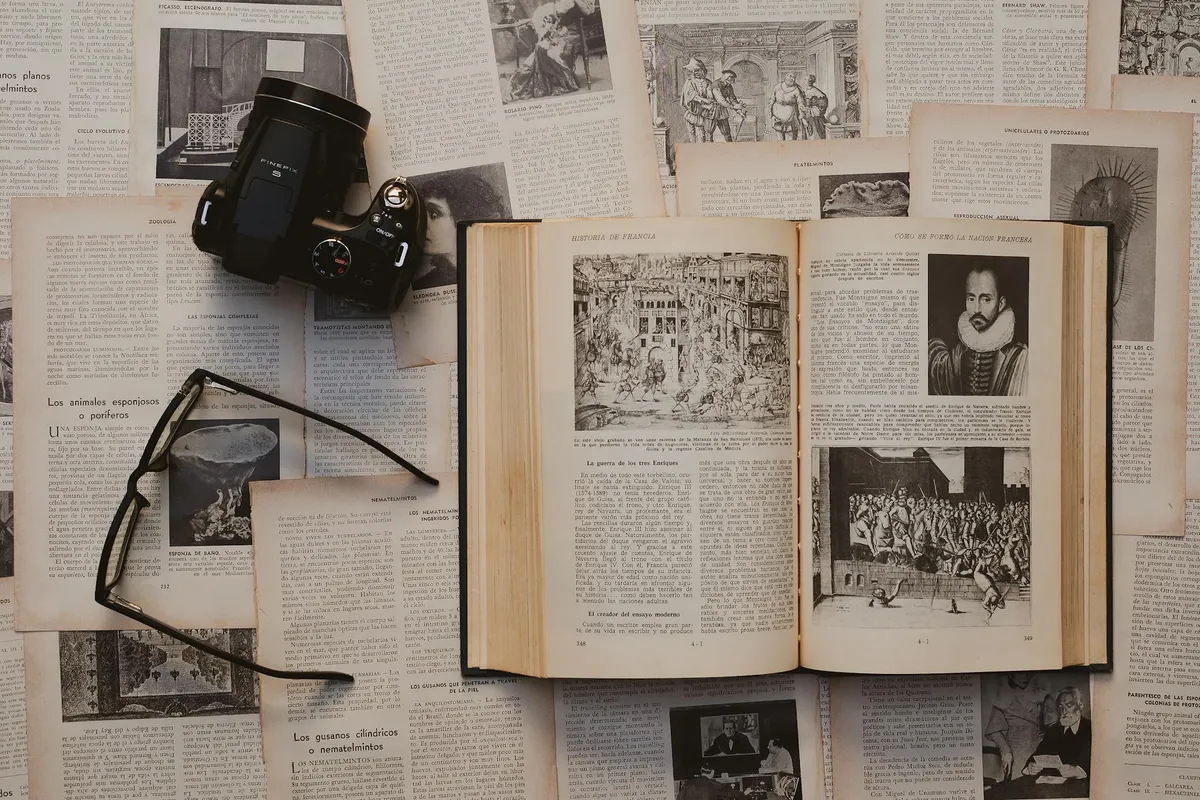
The contemporary discourse around artistic influence is shallow. Artists list their influences as a kind of credential — the impressive names cited as evidence of seriousness. The actual operation of influence in practice is more interesting and more demanding than the listing suggests.
This essay is about what influence actually is in artistic practice — how it operates, what it requires, and why the slow work of building influence produces results that quick exposure cannot.
What influence actually is
Influence in serious artistic practice is not knowledge about other artists. It is something deeper: the integration of other artists' approaches, perspectives, and solutions into one's own working vocabulary. The integration happens through sustained engagement that's closer to apprenticeship than to study.
This is different from what artists usually describe when they list influences. The artist who lists "Velázquez, Bonnard, and Tuymans" as influences is making a claim about what they've been studying. The actual influence — if it's real — operates beneath this listing as integrated working knowledge that shapes specific decisions during making.
The difference matters. Surface familiarity with many artists produces breadth of reference but rarely produces real influence. Deep engagement with fewer artists produces real influence but requires sustained investment.
How the integration happens
Real influence accumulates through specific practices.
Looking at the work directly, in person where possible, repeatedly. The reproductions in books are necessary but insufficient. The actual paintings, prints, sculptures have qualities that reproductions don't capture. Visiting museums to see specific works repeatedly is different from visiting museums broadly.
Reading the artist's own writing where it exists. Letters, journals, statements about the work. The artist's own articulation of intentions and concerns provides context that observation alone doesn't.
Reading scholarly writing about the artist. The art-historical literature provides interpretive frameworks that shape how the work can be read. Multiple perspectives on the same work reveal what individual perspectives miss.
Studying the artist's working processes. How did they work? What did their studios look like? What sequences did they work in? What experiments did they make?
Trying to make work using the artist's techniques and approaches. Not to copy, but to understand from the inside what the artist was doing. The bodily knowledge of trying to make like someone reveals things that purely visual study doesn't.
Writing about the artist for yourself. Articulating what you understand about an artist's work clarifies and consolidates the understanding.
This is the work of years per artist. Real influence from a specific artist requires this kind of sustained engagement. Surface familiarity from reading a monograph or visiting an exhibition once produces awareness without integration.
Why the slow work matters
The integration that produces real influence requires repetition and time. Initial exposure to an artist's work produces impressions that are usually inaccurate or incomplete. The first reading of any major artist's work captures the surface; subsequent readings reveal the depth.
This is true for any complex thing. First readings of important novels miss most of what's there. First viewings of significant films miss most of what's there. First listenings to demanding music miss most of what's there. Repeated engagement reveals the actual work.
Artists who claim influence based on quick exposure have, in most cases, not experienced the actual influence they claim. The influence requires the work that quick exposure skips.
The artists worth studying deeply
Not every artist rewards deep study. Some artists' work yields its content quickly; subsequent engagement reveals little new. Other artists' work continues to reward study across years. The artists worth deep study are usually the ones whose work is dense enough to support it.
The clearest indicator of an artist whose work rewards deep study: the work continues to feel fresh on the tenth careful look. The work reveals new things. The work suggests possibilities that hadn't appeared on previous viewings.
The artists whose work doesn't pass this test aren't necessarily lesser artists; they may simply be artists whose work works in different ways. But they're not the artists worth investing the years that real influence requires.
The personal nature of influence
The artists who become real influences for any individual artist are not the artists who would be objectively best to study. They're the artists whose work resonates specifically with that individual artist's concerns. The relationship is personal.
This means that the canonical lists of influential artists may not be the artists who produce real influence for you. The artist you should study deeply is the artist whose work, when you encounter it, you cannot stop returning to. The compulsion to keep looking is the indication of potential influence; without it, the study won't produce the integration that real influence requires.
For artists trying to develop their influences deliberately, the practical approach: notice which artists you keep returning to. Those are the artists worth investing in. The artists you respect but don't feel pulled toward may not produce the same integration even with comparable study.
The risk of imitative influence
Deep engagement with specific artists carries a risk: producing work that imitates them rather than integrates them. The studious copy is one stage in absorbing influence; remaining at that stage produces derivative work rather than original work.
The work of moving past imitation requires using what's been absorbed in service of one's own concerns. The influence becomes original when it's applied to subjects, problems, or situations the influence didn't address. The artist's own questions transform the borrowed approaches into something new.
This transformation usually takes time. Artists in their early careers often produce visibly influenced work — the borrowed approaches show. As the artist matures, the influence integrates more deeply and becomes less visible to outsiders even as it operates more powerfully in the work.
The artists who don't become influences
Some artists you study deeply will not become real influences. The investment doesn't produce the integration. The work doesn't connect with your concerns in the way that produces lasting influence.
This is normal and informative. Not every deep study produces influence; the trying reveals which artists are right for you and which aren't. The artists who don't become influences still teach you things, often about what you're not interested in pursuing.
Over a working life, the actual influences are usually fewer than the artists studied. Five to ten artists who deeply shape your practice across decades is a lot. Most working artists have fewer.
The case for the slow approach
The slow approach to building influence — deep engagement with specific artists across years — produces results that the quick approach cannot. The integration is real; the work shaped by it has substance the quick-exposure work doesn't have.
The slow approach is also more rewarding for the artist. Spending years with specific artists' work produces a kind of relationship with the tradition that brief engagement can't replicate. The artists you've studied deeply become companions in the work — references you draw on, interlocutors whose perspectives you imagine, predecessors whose work makes your own work possible.
This relationship is one of the unsung pleasures of artistic practice. The artists who built before you did the work that makes your work imaginable. Engaging with them deeply honors that work and incorporates it into your own.
The closing observation
Influence is one of the deeper aspects of artistic practice. The shallow version — listing artists as credentials — produces nothing. The slow version — sustained engagement that integrates other artists into your working vocabulary — produces the development that distinguishes mature practice from early-career work.
For artists serious about their development, the investment in slow influence is among the most-rewarding commitments available. Pick the artists whose work you can't stop returning to. Spend years with them. Let the integration happen at its pace.
The work you produce will be different — both better and more your own — than the work you'd produce without the slow work. The investment compounds across decades.